What Is a Kei Camper? Japan's Unique Mini Campervan Explained

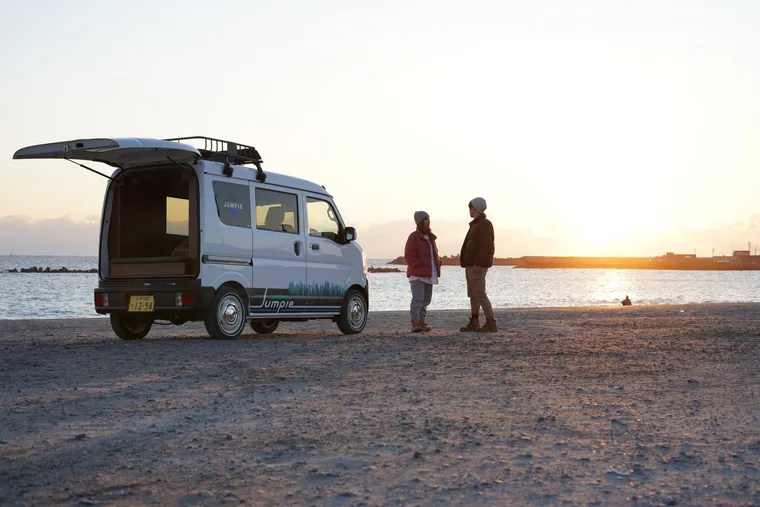
A kei camper is a small campervan built on Japan's unique "kei-class" vehicle platform. These compact vehicles offer everything you need for road trips—a bed, kitchen, and storage—in a package smaller than a typical compact car.
You won't find them anywhere outside Japan, which makes them one of the most uniquely Japanese travel experiences you can have.
Honestly, I had never rented a kei camper myself until recently. Before my first booking, I had the same doubt many people probably have: "Can I really be comfortable in something that tiny?" But the moment I actually tried one, that assumption completely flipped.
What Makes a Vehicle "Kei"?
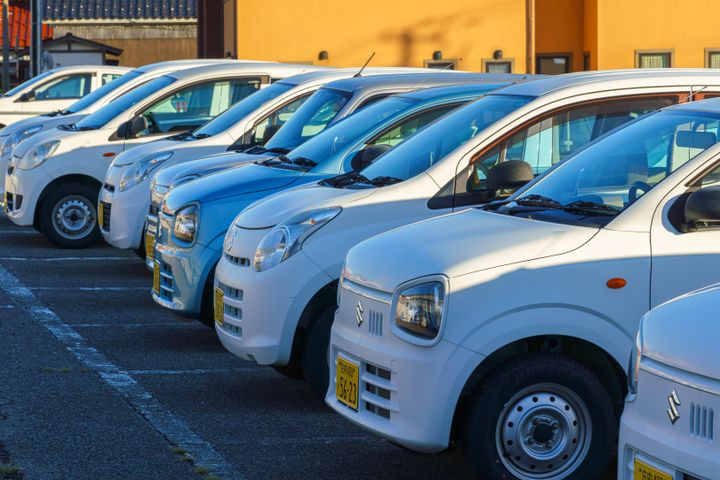
In Japan, "kei" (軽) means "light." Kei vehicles are a special tax category created by the Japanese government in 1949 to make car ownership affordable. To qualify, a vehicle must meet strict size limits:
- Length: under 3.4 meters (11.2 ft)
- Width: under 1.48 meters (4.9 ft)
- Height: under 2.0 meters (6.6 ft)
- Engine: 660cc maximum
In exchange, owners enjoy lower taxes, cheaper insurance, and special yellow license plates. Today, kei vehicles make up about 40% of all new car sales in Japan.
A kei camper is simply a kei van or kei truck converted for camping.
Why Kei Campers Only Exist in Japan
Three reasons:
- The kei class is a Japanese legal category. No other country has the same tax incentives or size definitions.
- Japan's infrastructure fits them perfectly. Narrow rural roads, compact parking spots, and tight mountain passes are made for small vehicles.
- Japanese engineering specializes in compact design. Manufacturers have decades of experience fitting maximum function into minimum space.
The Surprisingly Spacious Interior
This is what shocked me most when I actually rented a kei camper.
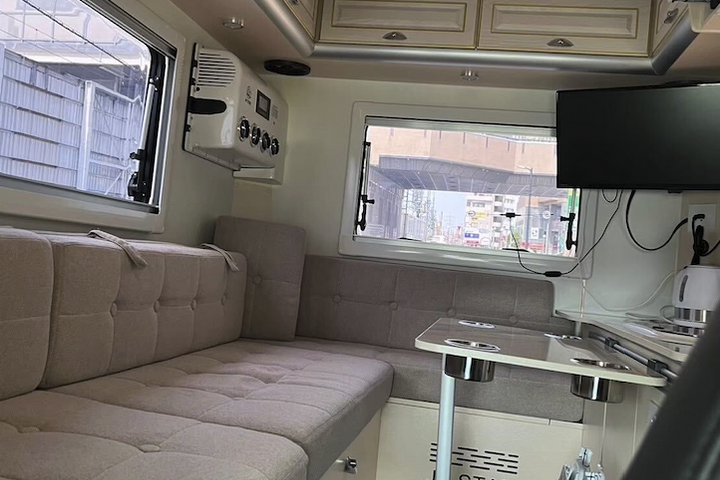
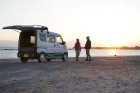
From the outside, it really does look tiny — even smaller than your average compact car. But the moment I slid open the rear door and stepped inside, my impression completely changed.
Spacious. Genuinely, way more spacious than I'd imagined.
The secret is in the meticulously thought-out layout:
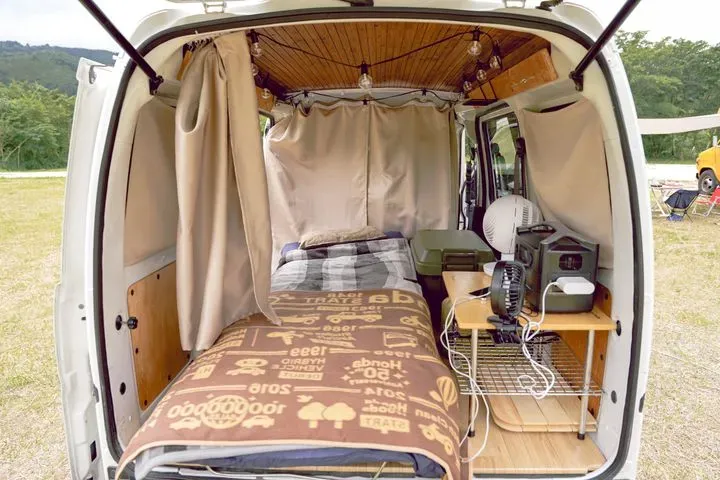
- Completely flat floor — fold down the rear seats and you get a bed where two adults can fully stretch out their legs
- Generous headroom — enough space to sit and eat, read a book, or work on your laptop
- Hidden storage everywhere — clothes and camping gear tuck away into the walls, under the seats, and beneath the bed
- Pop-top variants — raise the roof when parked and you can literally stand up to change clothes
During my trip, I slept fully horizontal and got a great night's sleep. In the morning, I brewed coffee at the folding table. During the day, I opened my laptop and got work done — all inside the vehicle. "Car camping" doesn't quite describe it. It's more like a tiny mobile studio apartment.
When most foreign visitors picture a "campervan," they probably imagine a large American RV. But kei campers achieve comfort in a completely different way — through smart design rather than sheer size.
Why Foreign Travelers Love Kei Campers
- Easy to drive — feels like a regular small car
- Affordable — rentals start from around ¥4,000/day
- Fuel-efficient — 15–20 km per liter
- Park anywhere — fits in any standard parking space
- Authentic — a uniquely Japanese way to experience the country
What's Inside a Kei Camper?
Despite the small size, most kei campers include:
- 🛏️ A bed for 1–2 people (some pop-top models sleep up to 4)
- 🍳 Cooking equipment (gas stove or IH cooktop)
- 🔋 A portable power station for charging devices
- 🪑 Foldable table and chairs
- 🧊 Storage for clothes, gear, and food
What kei campers don't include: bathrooms or showers. In Japan, you use public onsens (hot springs) and convenience store restrooms instead — which is part of the cultural experience.
Types of Kei Campers
There are four main types you'll find on rental platforms:
- Kei Van Camper — Built on a van base (like Suzuki Every or Daihatsu Hijet). The most common and versatile.
- Kei Truck Camper — Built on a pickup base with a detachable shell. Great for off-road adventures.
- Pop-Top Kei Camper — Has a roof that lifts up for standing-height interior when parked.
- DIY Conversion — Custom-built kei campers from individual owners. Often the most unique and photogenic.
What License Do You Need?
Foreign visitors can drive a kei camper with:
- An International Driving Permit (IDP) based on the 1949 Geneva Convention
- A Japanese driver's license
- For drivers from Belgium, France, Germany, Monaco, Switzerland, and Taiwan: an official Japanese translation of your domestic license
⚠️ Note: IDPs from the 1968 Vienna Convention are not valid in Japan.
▶︎View Carstay's full license guide

Where to Rent a Kei Camper
A convenient platform for renting kei campers is Carstay, which also offers pickup near major airports like Narita and Haneda.
You can browse vehicles by region:
The kei camper isn't just a vehicle — it's a window into Japan's philosophy of maximum efficiency and minimal footprint.
From the outside, it looks small. You might even feel uncertain about whether it can really work for a road trip. But once you open that door and step inside, your impression will change — guaranteed. Whether you're exploring Kyoto's hidden temples, road-tripping through Hokkaido, or chasing cherry blossoms across the country, a kei camper makes it possible to go further, spend less, and experience Japan the way locals do.
Since that first rental, I've been convinced: kei campers offer one of the most uniquely Japanese travel experiences you can have.
▶︎Click here for camper vans and kei-cams available for rent/car sharing in Japan

Related Posts








Top Posts
See all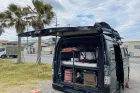

Search from categories
Top Tags
See all tags
 Related Posts