Sleeping in Your Car in Japan: 10 Etiquette Rules

東京出身で、現在はスウェーデンに住んでいる大学生です。 よろしくお願いします!
Traveling Japan by campervan, free to go wherever the road takes you. If you've watched van life in Japan on Instagram or YouTube, you may already be dreaming of trying it yourself.
But before you go, you might be wondering:
- "Is it rude to sleep at a roadside station in Japan?"
- "What if someone tells me I'm breaking the rules?"
These are the first questions almost every new car camper in Japan runs into. The short answer is that with the right knowledge and etiquette, sleeping in your vehicle is a safe, relaxed way for anyone to travel Japan.
This guide explains how overnight stays work at Michi-no-Eki (roadside stations) and expressway rest areas, and covers 10 etiquette rules that keep you out of trouble. Whether this is your first trip or you've been winging it so far, you'll know exactly what to do by the end.
Can you sleep at Michi-no-Eki and highway rest areas in Japan?
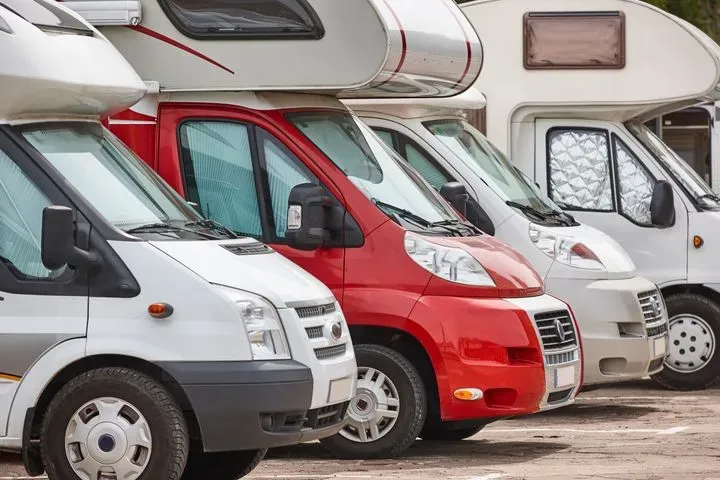
It depends on the facility. Every Michi-no-Eki (roadside station) and SA/PA (Service Area / Parking Area on the expressway) falls into one of three cases:
- Overnight stays are clearly allowed → You can sleep there overnight.
- Nothing is posted either way → Napping and resting are fine, but don't treat it as a place to stay the night.
- Overnight stays are clearly prohibited → Even if you only mean to rest, staff may judge that you are staying overnight. Always follow the facility's rules.
Why the difference? Japanese traffic law has no definition of "sleeping in your car" (shachuhaku), so there is no single nationwide rule. In this gray zone, two things decide what's acceptable: the purpose the facility was built for, and the rules each facility sets for itself.
Here is what each type of facility is for:
- SA/PA (expressway rest areas): Places for long-distance drivers to stop and rest for safety.
- Michi-no-Eki (roadside stations): Facilities built for three purposes: rest stops for drivers, travel and road information, and promoting the local community.
Both are built around one idea: rest. Japan's Ministry of Land, Infrastructure, Transport and Tourism (MLIT) and many individual facilities state plainly that they should not be used for overnight accommodation.
So while the rules vary, the baseline is simple: resting is OK, but using these places as a free hotel or for long stays is not. Wherever you park, never behave in a way that makes it obvious you are staying the night.
How to check the rules when signs are in Japanese
Most signs at Michi-no-Eki and SA/PA are written only in Japanese. Watch for these common phrases:
Sign (Japanese):Meaning
車中泊禁止:No sleeping overnight in vehicles
宿泊禁止:No overnight stays
長時間駐車禁止:No long-term parking
アイドリング禁止:No idling (turn off your engine)
火気厳禁:No open flames (no stoves or campfires)
ゴミは持ち帰りください:Please take your garbage home
For anything else, point the camera mode of Google Translate at the sign. If you're still unsure, ask the staff or check the facility's website.
10 car camping etiquette rules for Japan
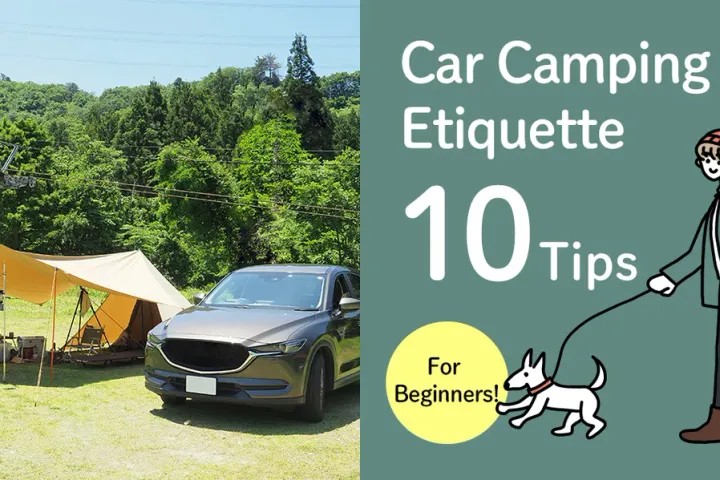
So what exactly should you watch out for? Here are 10 rules, kept short. Follow these and you'll avoid most problems on the road.
Step 1: Before you set off
1. Start with the right mindset
Unlike a hotel, a Michi-no-Eki or SA/PA is a public space shared with other travelers. Keeping that in mind is the starting point for every rule below.
If you're unsure whether something is allowed, check with the facility first. Travel with consideration for others and a little humility.
2. Good etiquette starts with preparation
Most trouble comes from poor planning. A classic example: not preparing for hot summer nights, then having to leave the engine running to keep the air conditioning on.
Check the rules of each place you plan to stop. If you need electricity, book an RV Park (a paid overnight spot for vehicles, often with power hookups) or a campsite in advance. A little research and planning prevents most problems on the ground.
Plan where you'll bathe, too. Most car campers in Japan use onsen (hot springs) or sento (public bathhouses). Rules on tattoos vary by facility, so check before you go.
Step 2: Arriving and staying
3. Park only in designated spaces
Never park in spaces reserved for people with disabilities or for large vehicles. At RV Parks and campsites, book a space big enough for your awning when it's fully open to avoid Step 1: Before you set off
4. Don't overstay
A nap or a few hours' rest is fine. But staying from midday to midday like a hotel guest can easily be seen as an overnight stay.
Stay only as long as you need to recover from driving. For anything longer, use a paid facility.
5. Never set up camp in the parking lot
Opening your side awning, putting tables and chairs outside, or cooking outdoors is not OK in a public parking lot, however tempting it is.
The golden rule: stay inside your vehicle. If you want to camp, book a campsite.
The same goes for restrooms: don't wash dishes, bathe or do laundry in the sinks.
6. Keep the noise down
Noise is easy to overlook. Slamming doors, sliding doors, barking dogs and voices from inside the van can all disturb others late at night or early in the morning.
If you can't avoid making noise, park in a corner of the lot, away from other vehicles.
7. Follow each facility's rules
Rules on campfires, pets and garbage differ completely from place to place. Don't assume something is fine because it was allowed at your last stop. Always check the rules before you settle in.
8. Avoid idling, and never use power without permission
Leaving your engine running disturbs others with noise and exhaust fumes. Avoid it except in emergencies during extreme summer heat or winter cold.
Plugging into a facility's outlet without permission counts as stealing electricity. If you need power, use an RV Park or another paid spot with electrical hookups.
Step 3: When you leave
9. Take your garbage with you
Don't throw away garbage at a Michi-no-Eki or SA/PA unless you bought the items there. If bins keep overflowing, facilities may remove them altogether.
Keep in mind that public trash bins are rare in Japan. Carry a few garbage bags and plan to take your trash with you. Japan also sorts garbage by type, such as burnable, plastic, and cans and bottles. Where a facility does accept garbage, follow the sorting labels on each bin.
On longer trips where garbage is a concern, choose RV Parks or campsites that take your trash for a fee.
10. Remember: people are watching
Car campers and campervan travelers are still a small minority in Japan. That means every traveler's behavior shapes how people see car campers as a whole.
There are real cases of roadside stations that once welcomed overnight stays banning them because of a few bad visitors. Your behavior can help protect this travel culture, or help destroy it. Keeping that in mind is the last rule, and the most important one.
Summary:follow the etiquette and car camping in Japan gets even freer
All 10 rules come down to one thing: respect for shared public spaces. None of them are difficult. Follow them, and sleeping in your vehicle becomes a far more comfortable way to travel Japan.
Pair good etiquette with services built for travelers, like dedicated overnight spots and campervan rentals, and your first car camping trip in Japan will be safe and unforgettable.
Ready to start? Check which campervans you can rent and where you can stay with peace of mind, then plan your first van life trip in Japan.
Start your Japan van life adventure here
▶︎Find a campervan to rent in Japan

▶︎Find a place to stay overnight in your vehicle
▶︎Perfect guide about how to rent our campervans
東京出身で、現在はスウェーデンに住んでいる大学生です。 よろしくお願いします!
Related Posts







Search from categories
Top Tags
See all tags
 Related Posts